

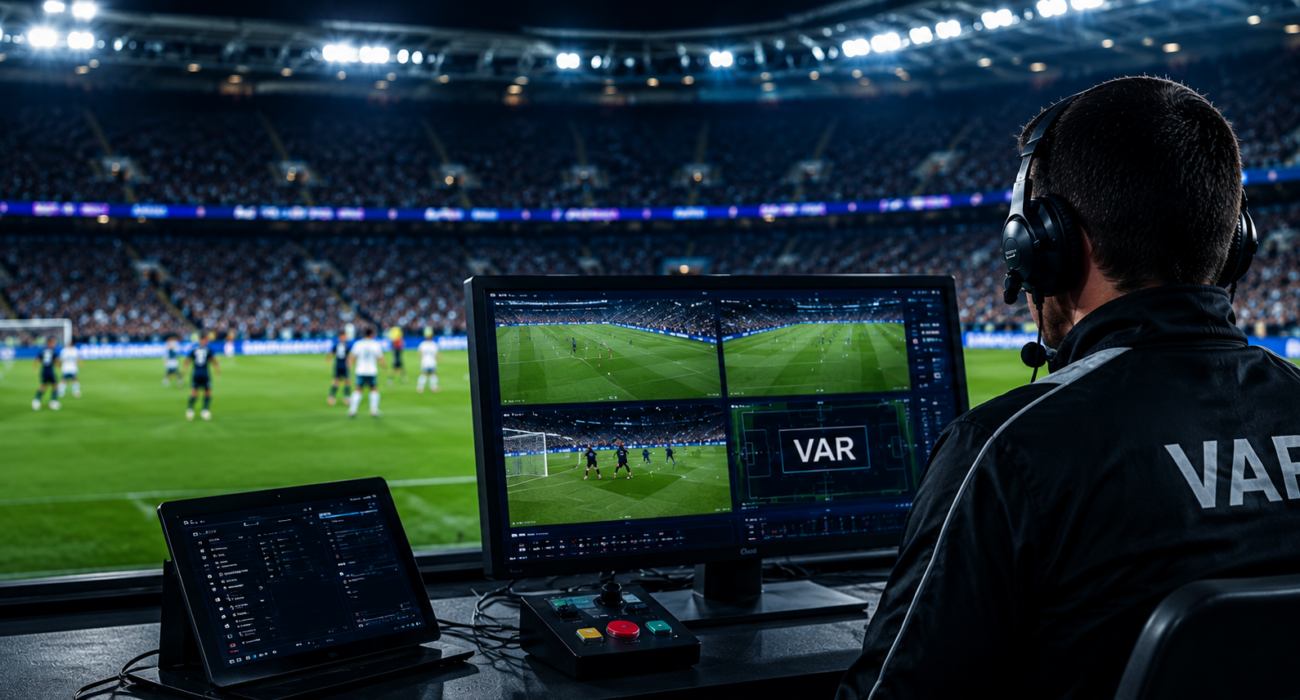
Why Is Everyone Calling It “VARgentina”? The FIFA 2026 Controversy Explained
The VARgentina controversy became one of the biggest talking points of FIFA 2026. Football’s drama has always been about goals, penalties, and last-minute heroics. But FIFA 2026 introduced a new kind of suspense, where technology itself became part of the story.
The phrase VARgentina exploded online after fans questioned whether VAR decisions favored Argentina and Lionel Messi. Social media was alight: Egypt’s 2-0 lead evaporated into a 3-2 defeat, and Switzerland’s quarterfinal hopes were dashed after Breel Embolo received a controversial second yellow card.
Analysts, former referees, and fans debated: Were these decisions fair, or did Messi’s team benefit from the system? Beyond football, one lesson emerges: technology is powerful, but trust determines whether people accept it—a principle that applies to businesses using AI, automation, and digital systems.
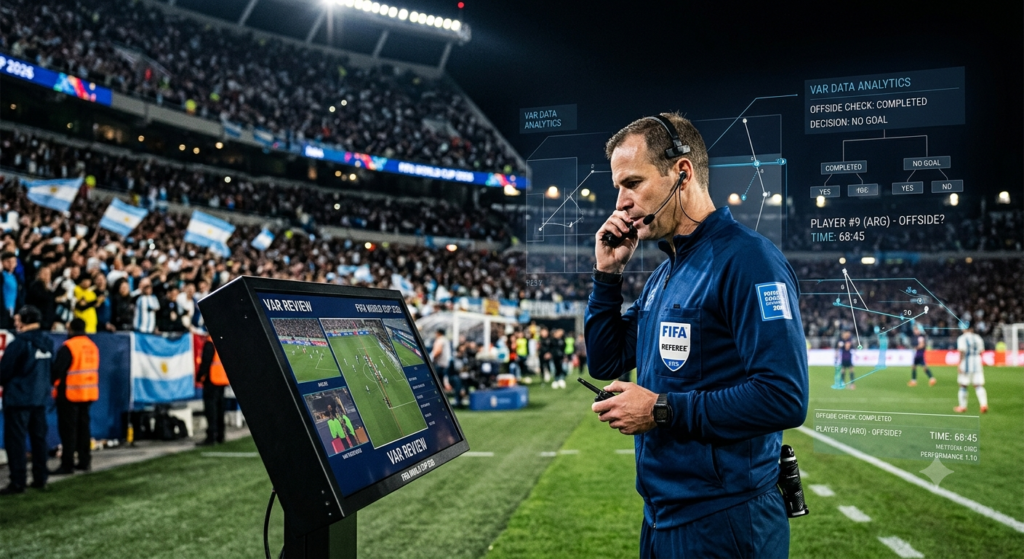
VARgentina – The Matches That Sparked Debate
Egypt’s clash with Argentina became a viral talking point. With just 11 minutes left, Egypt led 2-0, poised for a historic upset. Then came the pivotal moment: a goal by Mostafa Zico in the 62nd minute was disallowed after VAR review due to a foul in the build-up. Mohamed Salah and other players voiced frustration, while former experts questioned the VAR protocols.
Switzerland’s quarterfinal added fuel to the controversy. Breel Embolo received a second yellow card after a VAR review overturned the initial decision. Fans and pundits debated whether VAR tipped the scales again.
The consistent theme? Technology changes how decisions are perceived, not just how they are made.
VARgentina Controversy: When Technology Changes the Game
VAR was designed to support referees, not replace them. Video reviews, multiple camera angles, and real-time communication now influence every critical decision.
Businesses face a similar scenario. AI and automation support employees without replacing them, helping companies analyze data faster, make smarter decisions, and reduce errors.
| Football | Business |
|---|---|
| VAR assists referees | AI assists employees |
| Match data supports decisions | Analytics supports strategies |
| Real-time reviews improve accuracy | Automation improves workflows |
| Technology reduces mistakes | Digital systems improve efficiency |
The same principle applies across industries: technology delivers the best outcomes when it empowers people rather than replacing them.
Transparency and Trust—The Core Takeaway
The VARgentina debate shows why transparency matters. Fans questioned VAR because decisions lacked clarity. Similarly, customers expect businesses to use accurate, reliable, and transparent systems.
Organizations invest in technology solutions to maintain trust, including:
- AI Automation – Handling repetitive tasks, analyzing business data, and streamlining workflows.
- Salesforce & CRM Platforms – Tracking customer interactions, improving sales processes, and personalizing communication.
- Custom Software Development – Optimizing unique operational workflows.
- Digital Marketing & SEO Strategies – Managing online presence and reputation effectively.
Digital Reputation and Online Conversations
VARgentina proves that one viral moment can dominate global discussion. Businesses face the same reality: a single customer review, social media post, or online interaction can influence public perception instantly.
Strong digital marketing, SEO, and content strategies help ensure that a company’s story is accurately represented online while building credibility and long-term trust.
How AdForce Solutions Can Help Businesses Make Smarter Decisions
Just as VAR gives referees better data for accurate decisions, AdForce Solutions equips businesses with modern technology that enables faster, smarter, and more transparent decision making.
Our expertise includes:
- AI Automation – Streamline repetitive tasks and analyze large datasets.
- Salesforce & CRM Solutions – Manage customer relationships efficiently and personalize every interaction.
- Custom Software Development – Build solutions tailored to your unique business workflows.
- Digital Marketing & SEO Strategies – Strengthen your online presence and enhance your brand reputation.
These solutions help businesses operate with the same clarity and confidence that VAR provides referees on the football pitch.
The Future Belongs to Technology-Driven Organizations
The FIFA 2026 VAR debate demonstrates that technology is no longer separate from decision-making—it is part of it.
Organizations that successfully combine:
- Human expertise
- Artificial intelligence
- Automation
- Data-driven insights
will continue to gain a competitive advantage.
Whether in football or business, the same principle applies: technology delivers its greatest value when paired with trust, transparency, and a well defined strategy.
Frequently Asked Questions
What is VAR?
VAR (Video Assistant Referee) is a technology system used in football to assist referees in reviewing important match decisions. It uses multiple camera angles and video replays to check goals, penalties, red cards, and cases of mistaken identity, helping improve accuracy and fairness.
What is the VARgentina controversy?
The VARgentina controversy refers to online discussions surrounding VAR decisions involving Argentina during FIFA 2026, with many fans debating whether certain decisions favored the team.
Did VAR favor Messi and Argentina?
Some fans believe certain decisions benefited Argentina, while others argue that the decisions were correctly made according to the Laws of the Game. The debate largely reflects differing interpretations rather than a settled conclusion.
How does VAR technology work?
VAR uses multiple camera feeds, video replay technology, and direct communication between the Video Assistant Referee and the on-field referee to review major match incidents before confirming or changing a decision.
What can businesses learn from FIFA technology?
Businesses can learn that technology alone is not enough. Transparency, accuracy, and trust are essential for customers and stakeholders to have confidence in AI, automation, and digital systems.